


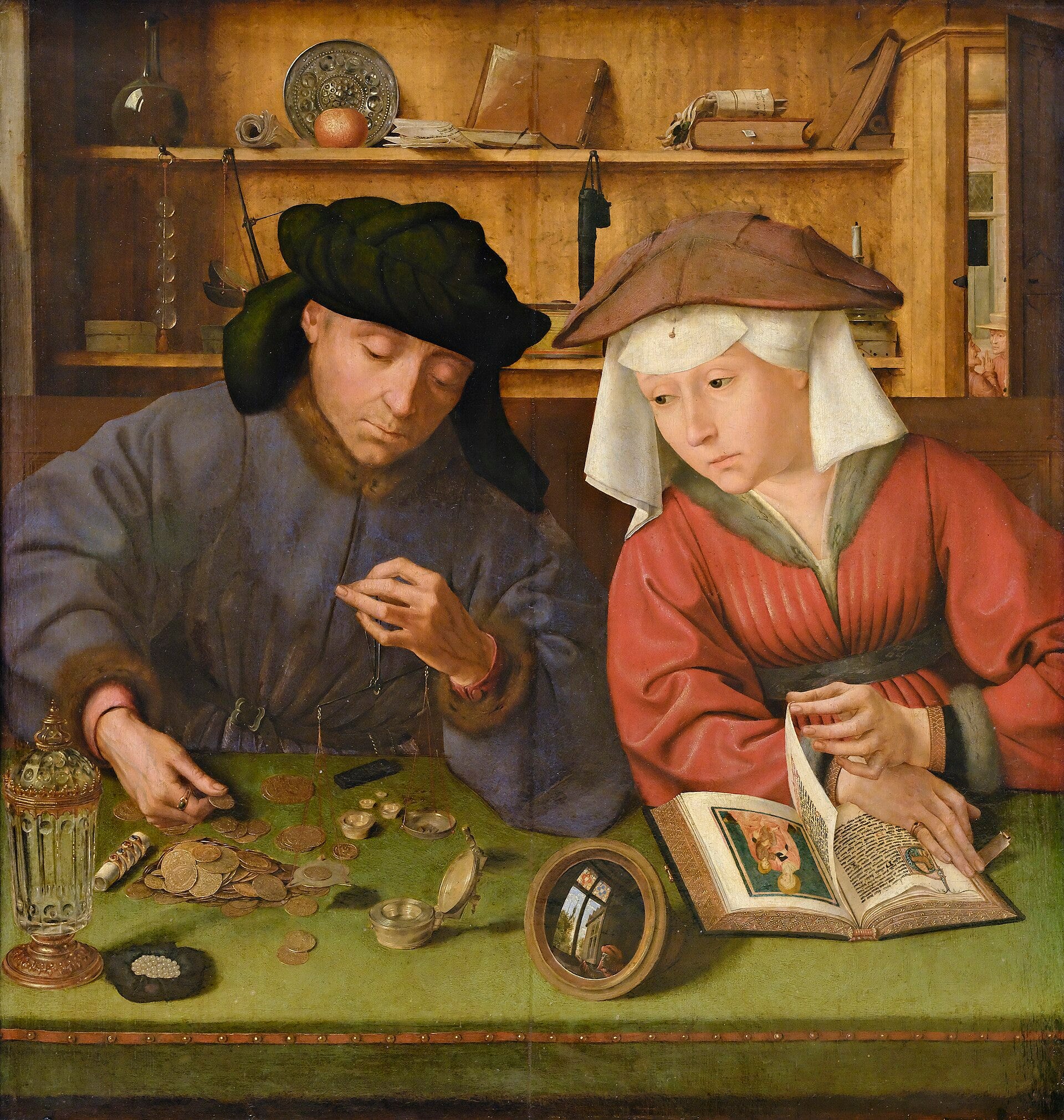
The Great Moral Accounting Fraud
Hussein Aboubakr Mansour and Shany Mor
The Abrahamic Metacritique, July 5, 2026. Read the full essay here.
Contemporary Western moral-political conscience is organized around a negative canon. It is made of a trinity of sacred crimes: Atlantic slavery, the Shoah, and European imperialism. They are taught, memorialized, litigated, aestheticized, theorized, and endlessly returned to as the trinity that makes up the singular historical identity of the West. Each belongs to history, but none remains merely historical. Each has become a site of moral interpretation, a privileged scene in which the West reads its own promises against the record of its own acts.
This theological centrality is why their place in Western moral life cannot be explained only by scale, cruelty, or novelty. Human beings conquered before Europe conquered. They enslaved before the Atlantic system. They massacred, expelled, burned, starved, deported, and humiliated long before the twentieth century furnished murder with rail schedules, offices, files, industrial chemistry, and the administrative patience of the modern state. To say this is not to diminish the three crimes but to clarify their peculiar status.
Atlantic slavery came to be read as the secret wound beneath modern liberty. The Shoah came to be read as the abyss beneath Enlightenment reason. European imperialism came to be read as the theft beneath civilization. Each crime was attached to one of modernity’s noblest words and made to darken it from within. The crimes are not merely treated as events but as revelations, each made to appear as an apocalypse disclosing the concealed truth of the modern West and judging it. In this sense, they exited the realm of history and entered the realm of myth. And if we see them as myth, we discover that their singularity is a function of narrative rather than of the events themselves. Their canonical singularity lies not in what occurred but in the form of historical consciousness into which they were and are received. They became epochal because they were incorporated into modernity’s own literature of self-narration.
A crime committed in history can be made to serve as a myth about history. The enslaved African, the murdered Jew, and the colonized subject are drawn out of the density and particularity of their own worlds and made to appear inside a drama whose real protagonist remains the West. Even guilt becomes a form of possession. Modernity places itself in the dock, but, like Milton’s Satan, it also appoints itself witness, prosecutor, historian, penitent, and priest; its abasement becomes another mode of centrality. The victims are invoked, often with solemnity, but they are invoked as figures in modernity’s endless self-commentary….
Continues here. Hussein Aboubakr Mansour is an adjunct fellow at the Z3 Institute and editor of The Abrahamic Critique on Substack.