David H.— For decades now—really, since 1948—Jews have been asking themselves what exactly “Zionism” means. Every few months, another podcaster or influencer, responding to the animosity hurled at “Zionists,” suggest doing away with the term altogether. A recent survey suggests that while 88 percent of American Jews support the right of Israel to live as a Jewish state (a fairly straightforward definition of Zionism), only 37 percent identify as Zionists.
What is Zionism? For some of us, Zionism is simply pro-Israel activism, or the “right” of Israel to exist; for others, it’s about encouraging Jews to physically relocate to the Jewish state; for still others, Zionism is something deeper, about recharging the character of Jews wherever they may live.
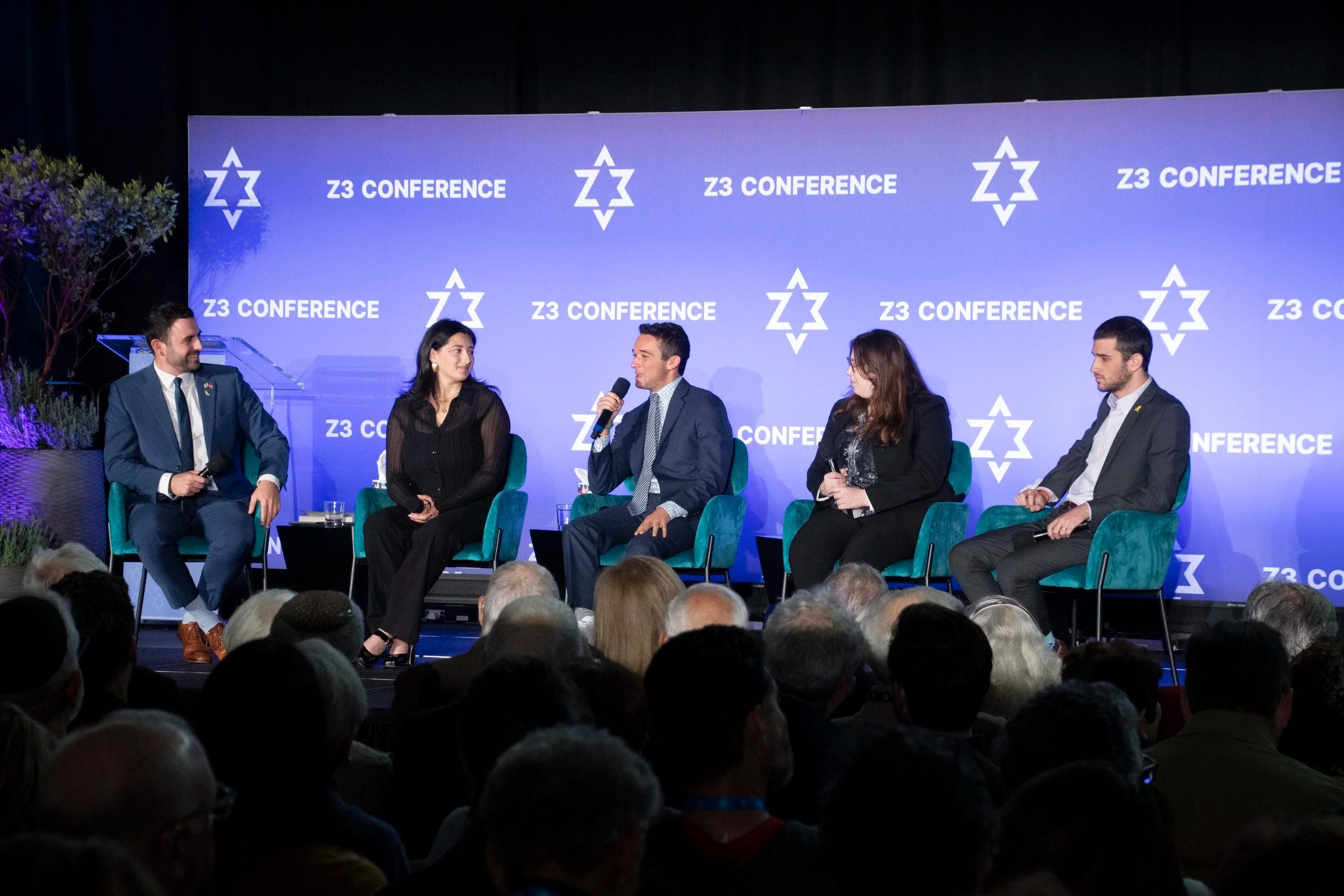
This year, the Z3 Conference, to be hosted November 1 in Palo Alto, will focus entirely on the question of what Zionism means today and into the future. As Rabbi Amitai Fraiman, director of the Z3 Project, puts it in a blog post:
When we chose “Are We Still Zionists?” as the theme of this year’s Z3 Conference, we meant the question seriously. I am not asking whether Israel should exist as the sovereign homeland of the Jewish people, or whether Jews should have the ability to shape our collective future. I believe both. I am asking whether Zionism still tells us enough about what Jewish self-determination demands when sovereignty is a fact rather than a goal.
“For the first time in twelve years,” he concludes, “I think we are finally holding a conference about the question that has been underneath Z3 all along.”
Although I’ve long been a big fan of the Z3 Conference, this one is shaping up to be a major step up. Most of our Z3 Institute fellows will be there, and I will too! Reserve your tickets now to lock in Early Bird pricing.